



Blog / Chevrolet Dealer

Winter Driving Prep: Get Your Chevy Ready for Cold Weather

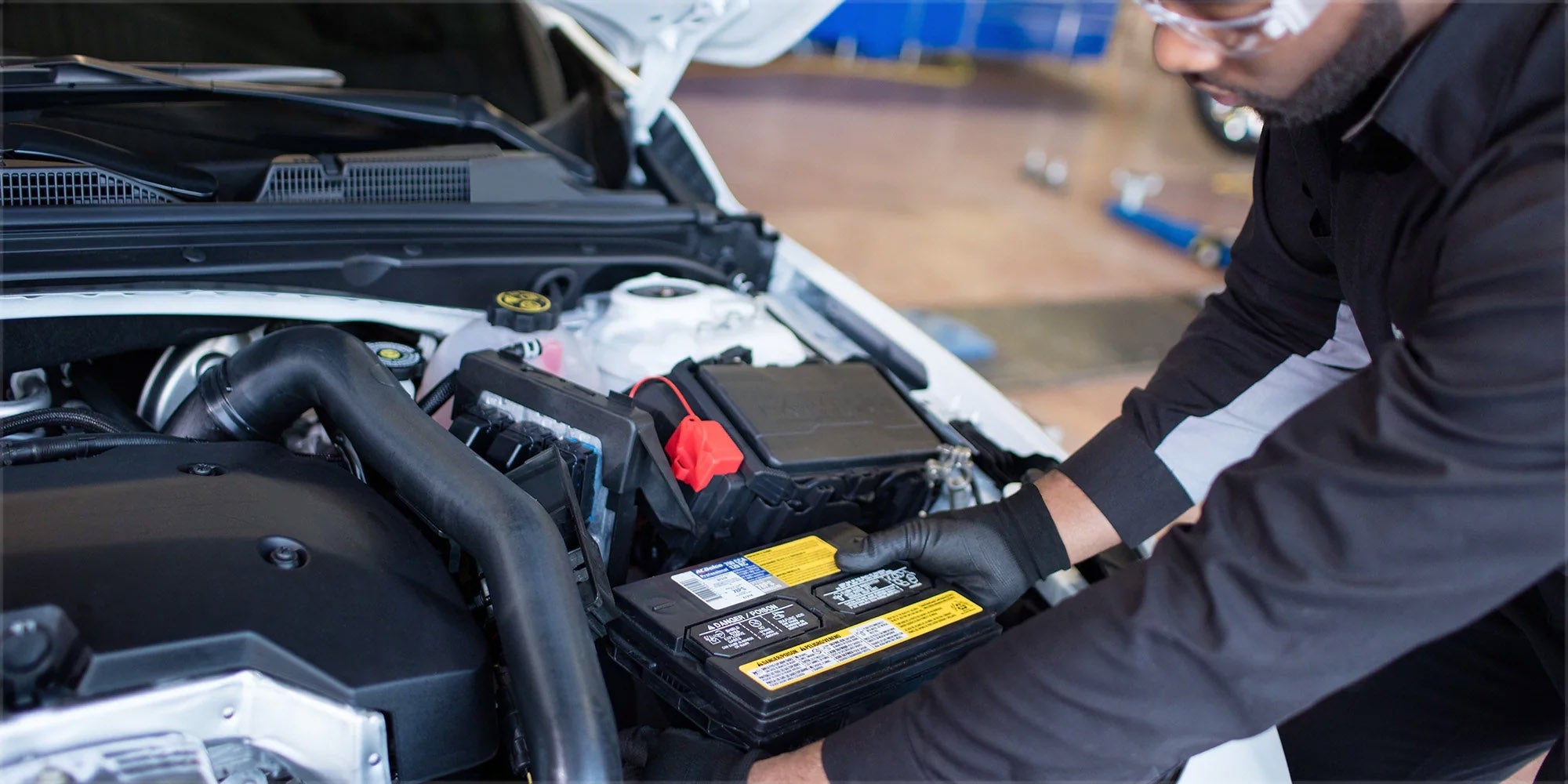
Service Technician Providing Battery Service

Winter driving can bring unique challenges, even in milder climates surrounding Tracy, California. Whether you're dealing with occasional frost, heavy rain, or a mountain road trip, prepping your Chevrolet for winter driving is one of the smartest things you can do before temperatures drop. A little attention now can prevent inconvenient breakdowns, protect the vehicle you rely on, and keep you and your passengers safer on the road.

Check Your Battery and Charging System

Cold weather is hard on batteries. As temperatures fall, a battery's ability to deliver power drops significantly—and a battery that's borderline in summer may fail completely in winter. Have your battery tested to confirm it is holding a proper charge and that the terminals are free of corrosion. If your battery has seen its 3rd birthday, you may want to replace it proactively.

You can also ask a technician to inspect the alternator and charging system. A weak alternator won't keep up with the increased electrical demands of winter driving, including heated seats, defrosters, and headlights running longer hours.

Inspect Your Tires for Winter Conditions

Tires are your first line of defense on slippery roads. To check the tread depth on all 4 tires—a simple quarter test works, but a tread depth gauge gives you a more precise reading. Tires worn below 4/32 of an inch lose meaningful grip in wet or icy conditions.

You might be familiar with that Tire Pressure Monitor System light glowing at you from the dashboard on the first chilly morning. Check your tire pressure regularly throughout winter, as cold air causes tire pressure to drop roughly 1lb. per square inch for every 10-degree temperature decrease. Underinflated tires handle poorly and wear unevenly. If you live near Sierra Nevada or plan to drive in snowy conditions, dedicated winter tires or all-season tires rated for severe snow service are worth considering.

Test Your Brakes and Four-Wheel Drive System

Of course, stopping distances are longer on wet and icy pavement, so your brakes need to be in top shape to ensure winter drives stay safe. If you’ve heard any squealing or grinding, or the brake pedal feels softer than usual underfoot, your brake pads or rotors may need attention before winter arrives. 

If your Chevrolet model is equipped with an all-wheel drive system or 4WD, it's always best to test the system before you need it. Ensure that the system engages and disengages smoothly in a safe area first, rather than out on a rocky trail or slippery road. Don’t wait until you're stuck in mud to discover a problem.

Refresh Your Fluids and Wipers

Winter preparation means checking every fluid that keeps your vehicle running safely. Brake fluid, power steering fluid, windshield washing fluid, and oil should all be at proper levels and within their recommended service intervals. Schedule service with Tracy Chevrolet today to ensure your Chevy is fully ready to take on that holiday road trip.

Replace any windshield wiper blades that streak or skip, you need to have a full clear field of vision when driving in inclement weather. Winter-specific wiper blades resist ice buildup, making them a smart choice if you plan to drive in snowy or icy conditions. Additionally, make sure both your front and rear defrosters work properly before you need them on a cold morning, too.  

Build a Winter Emergency Kit

Even a well-prepared vehicle can encounter unexpected situations, and even milder winter weather is uncomfortable at times. Keep a basic emergency kit in your Chevrolet that includes an ice scraper, jumper cables or a portable jump starter, a flashlight, and a blanket. A bag of sand or non-clumping kitty litter can help provide traction if you get stuck, and a reflective triangle or flares adds visibility if you need to stop on the roadside.

Visit Tracy Chevrolet for a Winter Inspection

The best way to approach Chevrolet winter driving preparation is with a thorough inspection from a trained technician who knows your vehicle. Bring in your vehicle to Tracy Chevrolet for a comprehensive seasonal check that covers everything from battery health to brake condition to fluid levels. A quick service visit now can save you from a much bigger headache when the cold weather hits. You can also make sure your Chevy is ready for winter for less with our current service & parts specials.



Posted in:

Related Posts

An interior photo of a 2026 Chevy Traverse

2026 Chevrolet Traverse: The Engineering Behind a Smarter Family SUV 

Building a three-row SUV requires balancing passenger space, cargo capacity, performance, and comfort. The 2026 Chevrolet Traverse addresses these with efficient interior packaging, a turbocharged engine, and technology designed around practical needs. For families in Tracy, CA, its strongest qualities emerge from how these systems work together. Four Trims with Distinct Capabilities The Traverse lineup includes LT, Z71, RS, and High Country. LT emphasizes flexible seating and family convenience. Z71 adds an advanced twin-clutch AWD system, specialized suspension tuning, Terrain Mode, and Hill Descent Control. RS introduces black exterior accents and a flat-bottom steering wheel, while High Country features premium materials and distinctive interior finishes. RS and High Country include Super Cruise® hands-free driver assistance with a three-year OnStar® Super Cruise plan. Each trim offers a different balance of capability, comfort, and equipment. Turbocharged Performance and Towing Every Traverse uses a 2.5L turbocharged 4-cylinder producing 328 hp and 326 lbs. ft. of torque, paired with an 8-speed automatic transmission. Turbocharging provides substantial pulling power without requiring a larger engine. Available AWD improves traction in changing conditions, while the Z71's twin-clutch system distributes torque between the rear wheels. Properly equipped models can tow up to 5,000 lbs. Standard Hitch View, Hitch Guidance, and an integrated Trailering App simplify trailer connections. Actual capability depends on vehicle configuration, passenger weight, and cargo. Interior Space That Earns Its Dimensions The Traverse provides up to 98 cubic feet of cargo capacity with both rear seating rows folded. Behind the third row, 22.9 cubic feet remains available. LT accommodates up to 8 passengers with an available second-row bench, while Z71, RS, and High Country seat 7. This versatility comes from careful interior packaging rather than excessive exterior dimensions. An AutoSense Power Liftgate simplifies loading, and RS includes convenient one-touch second-row folding. These features help the cabin accommodate changing passenger and cargo requirements. Z71 Brings Meaningful Mechanical Differences The Z71's off-road equipment extends beyond appearance. Its advanced twin-clutch AWD system can vary torque distribution between the rear wheels, improving traction when surfaces offer different levels of grip. Terrain Mode adjusts vehicle responses, while Hill Descent Control helps maintain controlled speeds downhill. Specialized suspension tuning improves composure over uneven surfaces. Although the Traverse isn't intended for extreme rock crawling, these systems provide additional capability on gravel roads, rough access routes, and challenging terrain. Technology Integrated into the Cabin A standard 17.7-inch touchscreen anchors the dashboard, accompanied by an 11-inch digital driver information display. Their placement separates entertainment and navigation from essential driving information. Standard wireless phone charging and second-row USB ports support passenger connectivity. Available HD Surround Vision provides additional camera perspectives during parking and maneuvering. The cabin prioritizes clear information presentation, helping drivers access important functions without unnecessary complexity. Safety and Driver Assistance More than 20 standard safety and driver assistance features support the Traverse's family-oriented design. Automatic Emergency Braking, Front Pedestrian and Bicycle Braking, Blind Zone Steering Assist, and Rear Cross Traffic Braking help drivers recognize certain hazards. Super Cruise® enables hands-free driving on compatible roads when conditions permit, although driver attention remains essential. These systems complement the Traverse's structural engineering and visibility without replacing responsible driving. Explore the 2026 Traverse in Tracy, CA The Chevrolet Traverse combines flexible seating, substantial cargo capacity, and capable mechanical engineering in a three-row SUV. Its trim differences allow families to prioritize traction, comfort, or additional technology. Visit Tracy Chevrolet in Tracy, CA, to compare new available configurations and examine the interior. Schedule a test drive online today to experience its performance, ride quality, and passenger comfort firsthand.

2025 Chevy Trax

Chevy Wheel Alignment: Importance and Indicators

Have you ever noticed your vehicle pulling to one side while driving? This frustrating issue can be a sign of improper wheel alignment. Misaligned wheels can affect your vehicle’s handling, accelerate tire wear, and create safety concerns on the road. Regular wheel alignment service at Tracy Chevrolet can help maintain proper vehicle control and keep your Chevy performing as intended. Just like routine brake inspections and tire rotations, wheel alignments are an important part of your vehicle’s maintenance schedule. Understanding the importance of proper alignment and recognizing the warning signs can help you protect your tires, improve handling, and support a safer driving experience. Misaligned Wheels Can Affect Your Vehicle’s Handling Maintaining control of your vehicle is essential during everyday driving and sudden maneuvers. For your Chevy to respond properly, the wheels need to remain correctly aligned and positioned parallel to one another. Impacts from potholes, curbs, and other road hazards can gradually knock your wheels out of alignment. When this happens, your tires may begin pointing in different directions, reducing steering precision and making your vehicle harder to control. Poor handling caused by misaligned wheels can increase the risk of losing traction or experiencing difficulty maintaining a straight driving path. Improper Alignment Can Cause Faster Tire Wear When your wheels are not aligned correctly, multiple components of your vehicle can experience added stress. The suspension system, differentials, steering components, and tires may all be affected by the extra strain caused by misalignment. Your tires are especially vulnerable. Misaligned wheels can lead to uneven tire wear patterns, causing your tires to wear out faster than expected. Unevenly worn tires may require replacement sooner and can increase the possibility of reduced traction or tire damage while driving. How Often Should You Check Your Chevy’s Wheel Alignment? Wheel alignment adjustments are a straightforward service when performed with the proper equipment and techniques. Having your alignment measured twice a year is recommended to help identify potential issues before they become larger problems. During an alignment inspection, specialized equipment is attached to each wheel to measure its current position. If adjustments are needed, technicians can return the wheels to their proper positioning. In many cases, wheel alignment adjustments may be needed every one to two years, depending on driving conditions and vehicle use. Common Warning Signs of Poor Wheel Alignment After driving your Chevy for an extended period, you become familiar with how the steering and handling normally feel. If something feels different, such as a loose or less responsive steering feel, it may be time to have your wheel alignment inspected. A severely misaligned vehicle may cause the steering wheel to sit off-center even when driving straight. You may need to apply constant pressure to keep the vehicle moving in a straight line, creating an unsafe driving situation that should be addressed as soon as possible. Other signs of wheel alignment problems include: Your Chevy pulling or drifting toward one side of the road A steering wheel that does not remain centered while driving straight Squealing noises when turning corners Uneven tire wear caused by improper tire contact with the road Squealing during turns can happen when tires meet the pavement at incorrect angles. This not only creates unwanted noise but can also contribute to uneven wear patterns over time. Schedule Chevy Wheel Alignment Service at Tracy Chevrolet Like many important automotive services, wheel alignment is most effective as a preventative maintenance step rather than a repair performed only after problems appear. Regular alignment checks can help maintain proper steering response, handling, and tire performance throughout your vehicle’s lifespan. Visit Tracy Chevrolet to schedule your wheel alignment service and help keep your Chevy driving smoothly. Our team can help inspect your vehicle, identify alignment concerns, and ensure your steering and handling remain optimized for the road ahead.

2026 Chevrolet Blazer

Maintaining Your Chevy’s Air Conditioning System

Your Chevy’s air conditioning system plays an important role in keeping your cabin comfortable, especially during warmer months. Like other vehicle components, the AC system requires regular maintenance to help reduce wear, maintain performance, and keep cool air circulating when you need it most. Following proper Chevy AC maintenance practices can help extend the life of your system and prevent common issues that may affect cooling performance. At Tracy Chevrolet, our service team can help inspect your AC system and address maintenance needs to keep your vehicle ready for the road. Recharge Your AC System Every Two Years Refrigerant is a key part of your vehicle’s air conditioning system. As it circulates, it changes between liquid and gas forms, helping remove heat from the air and create the cooling effect you expect from your AC. Over time, refrigerant levels can decrease, which may impact your system’s ability to cool the cabin effectively. Most drivers should have their AC refrigerant replenished approximately every two years. Tracy Chevrolet’s service technicians can inspect your system and help determine if a recharge is needed. Run Defrost Mode Weekly Using your defrost mode regularly can help support the health of your Chevy’s air conditioning system. Even during the summer, running defrost mode for about 10 minutes each week can help maintain proper gas pressure within the system. This practice also helps remove excess moisture that can contribute to mold and mildew buildup inside the AC system. Adding this simple step to your regular driving routine can support better AC operation throughout the year. Avoid Pre-Cooling Your Vehicle While it may be tempting to start your vehicle and let the AC run before driving on a hot day, this can put additional strain on the system. Your air conditioning works most effectively when the engine is running and powering the compressor. Instead of pre-cooling your Chevy while it is parked, start driving with the fan set to maximum power and roll down the rear windows briefly to help release trapped heat. This allows your AC system to operate more efficiently once you are on the road. Park Away From Direct Sunlight Reducing how often your AC system needs to work can help support its longevity. Parking your Chevy in a shaded area whenever possible can help keep the interior cooler and reduce the amount of cooling needed when you return to your vehicle. Parking in the shade can also help protect your vehicle’s paint and upholstery from UV exposure. Small steps like choosing covered parking or using available shade can make a difference on hot days. Replace Your Air Filter Annually Your vehicle’s air filter helps keep dust, pollen, exhaust particles, and other debris from entering the cabin. Over time, these contaminants can build up and restrict airflow through the AC system. A clogged air filter can make your air conditioning work harder while reducing efficiency. Replacing your air filter about once a year can help maintain proper airflow and support a more comfortable cabin environment. Pay Attention to Unusual AC Sounds Strange sounds from your air conditioning system can indicate a potential issue that requires attention. Different noises may point to different concerns. Knocking noises could be related to a faulty blower motor, while whistling sounds may suggest restricted airflow. Rattling noises could simply be caused by debris, such as a leaf inside the vent. No matter what sound you notice, having your AC system inspected by a trained technician can help identify the cause before the issue becomes more serious. Schedule Chevy AC Maintenance at Tracy Chevrolet Regular inspections can help identify refrigerant leaks, worn components, and other signs of AC problems before they affect your comfort. Your Chevy’s air conditioning system should ideally be inspected once a year, while refrigerant service is typically recommended every two years. The experienced technicians at Tracy Chevrolet are ready to help check your AC system and provide the maintenance needed to keep your vehicle comfortable throughout every season. Schedule your service appointment today and let our team help keep your Chevy’s cooling system operating properly.